
Meta Title: Live Game Shows Casino Myths: Separate Fact From Fiction
Live Game Shows Casino Myths: What Hobart Players Should Actually Watch
The rush of a live host spinning a wheel is hard to ignore, especially when the chat scrolls faster than the reels. Still, plenty of chatter around live game shows casino myths confuses what the format can actually do with what marketing hopes you will believe. As a creative director who has shipped live ops and cinematics across iGaming, I have watched these titles mature from novelty streams into polished productions with real design intent. The gap between the screen and the settlement is where most confusion lives, and that is exactly where a clear read helps before you sit down with a flat white and a betting slip. wolf winner reviews
At the table, Mick from Lenah Valley shakes his head at the TV screen. “Mate, that wheel looks rigged when it stops on red twice,” he says, stirring his flat white. Tara from Battery Point laughs. “Nah, the host’s pacing the tension, not the RNG. You’re watching a show, not a slot.” He shrugs. “Reckon I’ll still back the higher multiplier.” She smiles. “No worries, just don’t blame the cooler when your arvo session goes quiet.” Rpk-service
Reading the format without the folklore
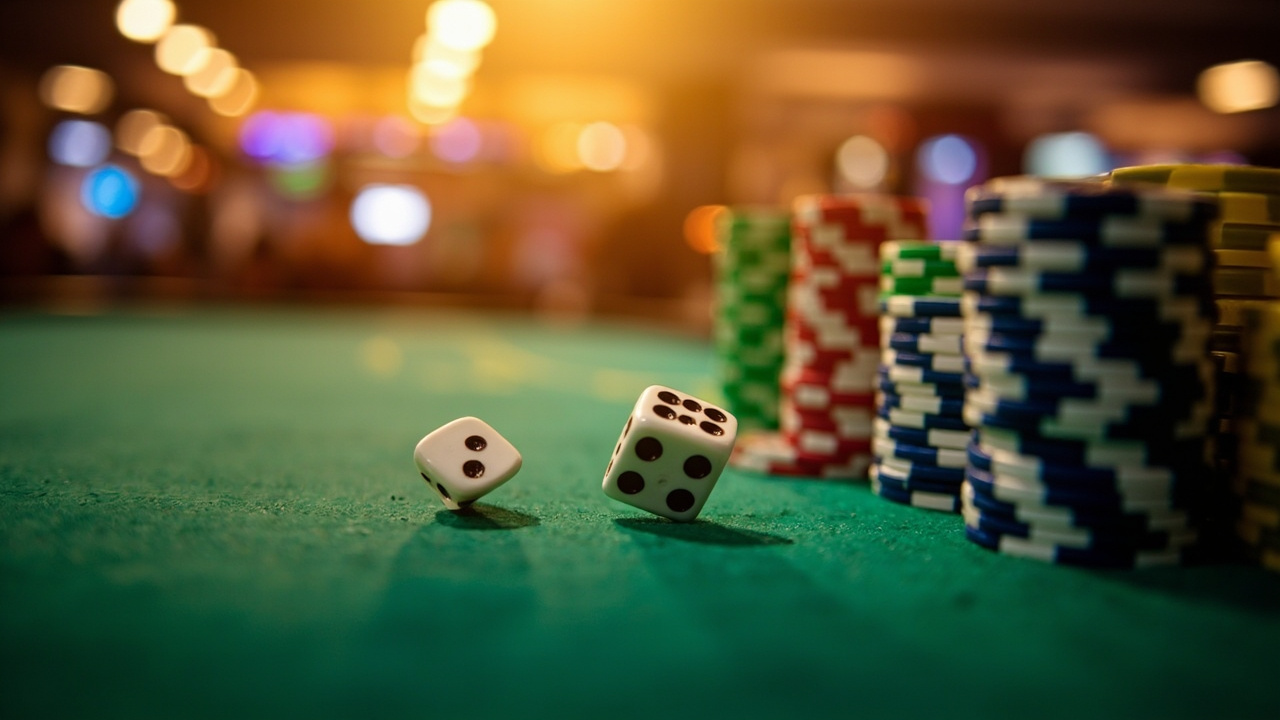
Live game shows casino myths usually start with the idea that a streak must end because someone in the room is jinxing it. The “cooler” superstition travels from floor casinos straight into streaming chat, where players blame an unlucky person for ending a hot run. In a properly built live title, the outcome is driven by a certified random engine or a physical draw the host cannot nudge, so the cooler is a story we tell, not a mechanic that exists. That distinction matters because it shapes how you read variance instead of chasing patterns that are only visible in hindsight.
From a design side, this is where experience separates hype from habit. I have directed UE5 cinematics and live ops sequences where pacing, camera cuts, and host cadence are tuned to keep attention high without changing the underlying probability. The same discipline applies here: the spectacle is real, but the settlement is not a performance trick. When a round feels repetitive, that is usually a pacing choice, not a signal that the table is due to turn.
If you want a grounded read on how these formats are structured and what to weigh before you play, wolf winner reviews lay out the practical checkpoints without dressing them up. The useful takeaway is to treat the show as entertainment with a betting layer, not as a prediction engine. That mindset keeps your sessions measurable and stops you from reading meaning into noise.
| Detail | What it means in practice |
|---|---|
| Format identity | Live host-driven game shows with a betting layer over a certified random outcome |
| Core offer | Wheel, card, and cash-drop titles with fixed round timers and visible multipliers |
| Distinguishing traits | Host pacing, camera cuts, and chat integration that shape tension rather than result |
| Everyday usability | Browser and mobile play with round lengths that fit short sessions |
| Overall fit | Players who want spectacle and clear rules more than fast spin cycles |
Picking the right fit for your session
Player fit is where the noise drops off. Some people want a fast, repeatable round with a clear timer and a single decision; others prefer a slower show with a host who builds anticipation across several beats. Neither is better in a vacuum, because the right choice depends on how you want to spend an hour, not on which title is loudest on the lobby. Live betting now dominates a large share of online sports wagering for the same reason: people like making decisions in the moment, with a visible clock and a clear settlement. That same impulse carries over to live game shows, but the stakes and the pace need to match your routine.
I have run live operations where the same mechanic felt completely different depending on session length and attention span. A tight round with a crisp host read works well when you are dipping in for a short stretch, while a broader show with more camera movement suits a longer sit where you are watching the arc rather than chasing a single outcome. The design judgement call is simple: match the rhythm to the player, not the other way around. If the format feels like a chore, the odds are not the problem; the pacing is.
For a deeper look at how to choose a format and what to expect from a title like Lucky Green, this related read on live casino game shows walks through the decision without overcomplicating it. Use that kind of framing to narrow the field by how you actually play, not by which thumbnail is brightest. The goal is a session that feels intentional, with rules you can follow and a pace you can sustain.
How a serious operator keeps the show honest
A brand that treats live game shows as a real product, not a novelty stream, shows it in the boring places. Registration should be straightforward, the payment options should be clear, and the support path should not vanish the moment a round ends. Currency handling needs to be explicit, with no surprise rounding or hidden conversion when you move between deposit, balance, and withdrawal. Mobile play should feel like the same product, not a shrunk-down afterthought with buttons that fight your thumb. Loyalty, if there is one, should reward consistency rather than push you toward longer sessions for the sake of it.
The design detail I look for is consistency under pressure. In UE5 work, a cinematic only earns trust when the lighting, timing, and camera behaviour hold up across repeated takes; the same is true for a live show when the host, the stream, and the settlement all stay aligned. Hannah Green, Head of Product, Capital Territory Gaming Forum, puts it plainly: “Players respond to clarity before they respond to spectacle, so the rules and the settlement need to be legible at a glance.” That is the bar. Eliza Green, Product Analytics Lead, Banksia Betting Partners, adds the caveat that matters: “Engagement spikes when the pacing is crisp, but retention only holds when the session fits a realistic window, not a fantasy one.”
WinStar World Casino in Oklahoma has themed gaming plazas by world city, and the lesson translates: atmosphere can be specific and memorable without changing the underlying game. A live show can have personality, city-themed sets, and a host with a point of view, while still keeping the rules and the settlement plain. That is the balance worth looking for, because personality is easy to sell and clarity is easy to lose.
The real test is whether the product stays readable when the stream gets busy and the chat gets loud. If the rules, the timers, and the payout logic stay visible, the show earns its place at the table. If the experience depends on you missing a detail, it is a marketing win and a player problem. Hobart players who want a session that feels like a show rather than a slog should weigh clarity first, pace second, and spectacle third. That order keeps the fun in the room and the myths out of it.